Programs
Our programs work together. Educational support builds skills, cultural exchange builds connection, research improves the model, and school relationships make the work sustainable.
Free Educational Support
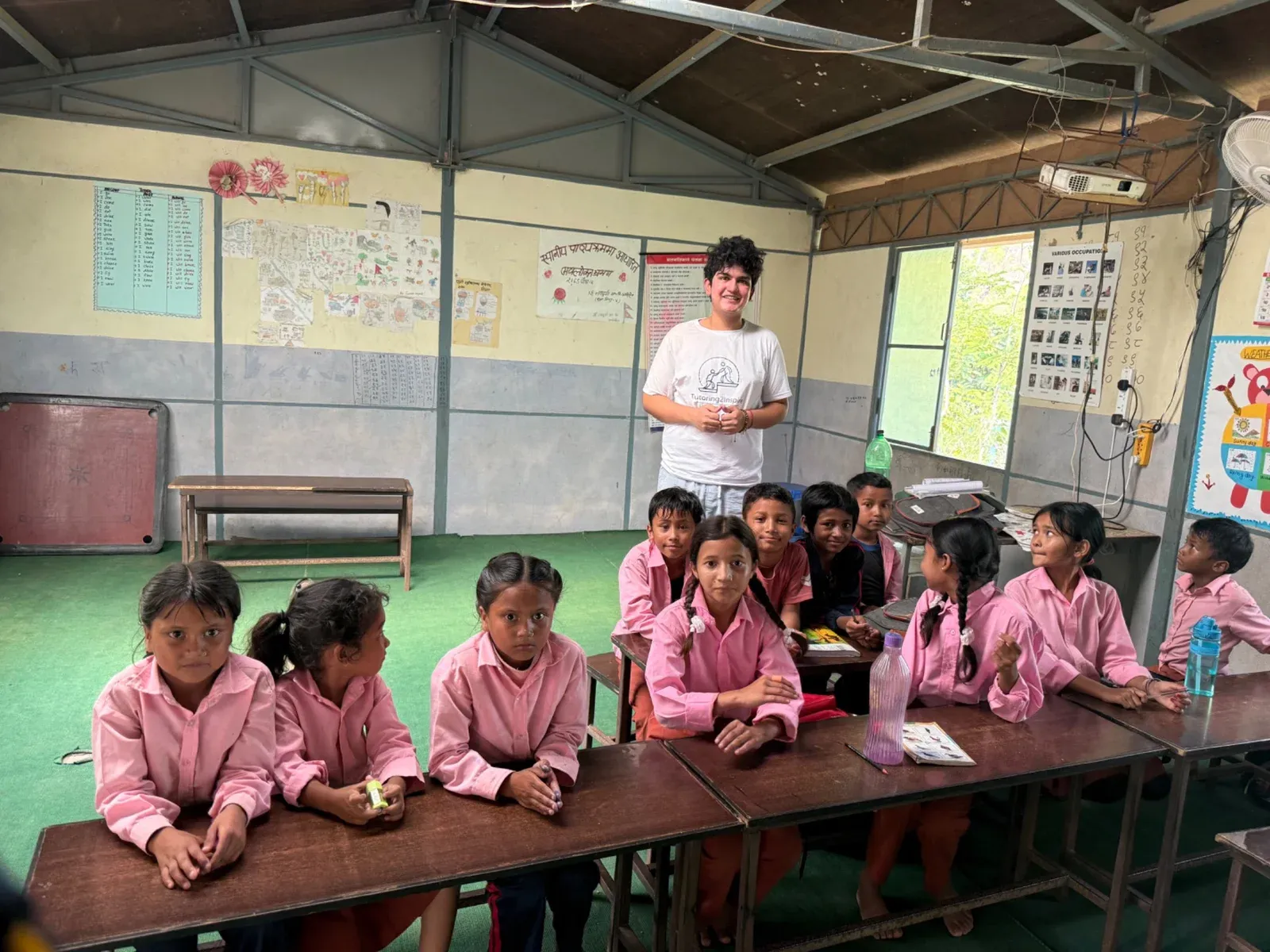
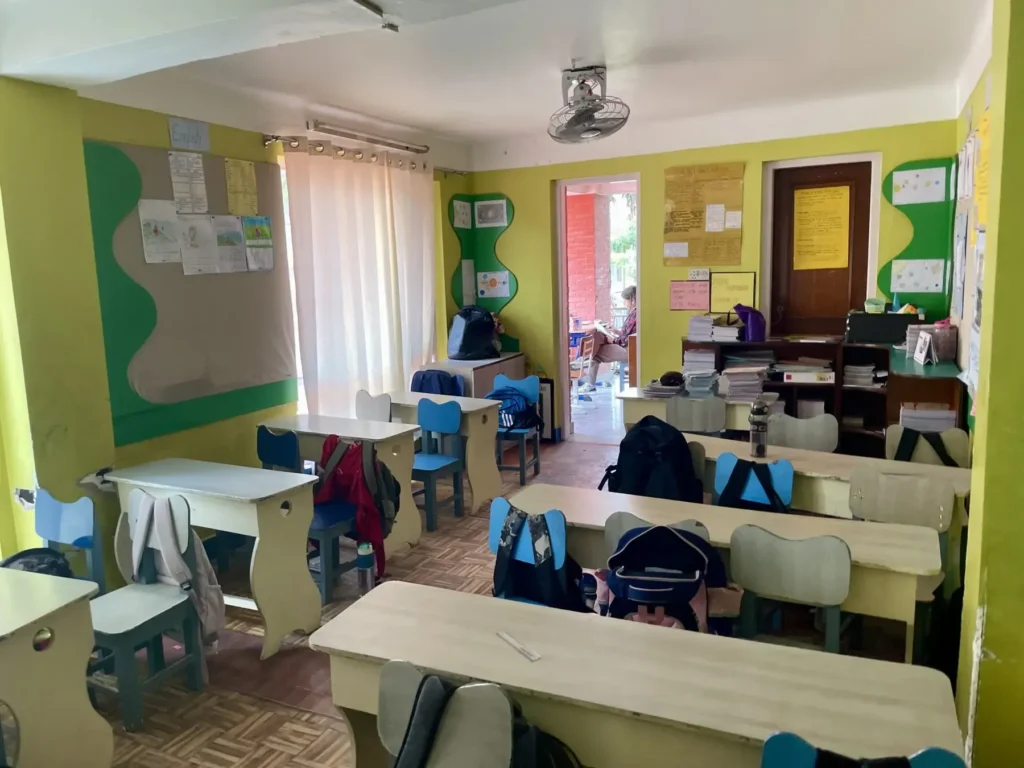
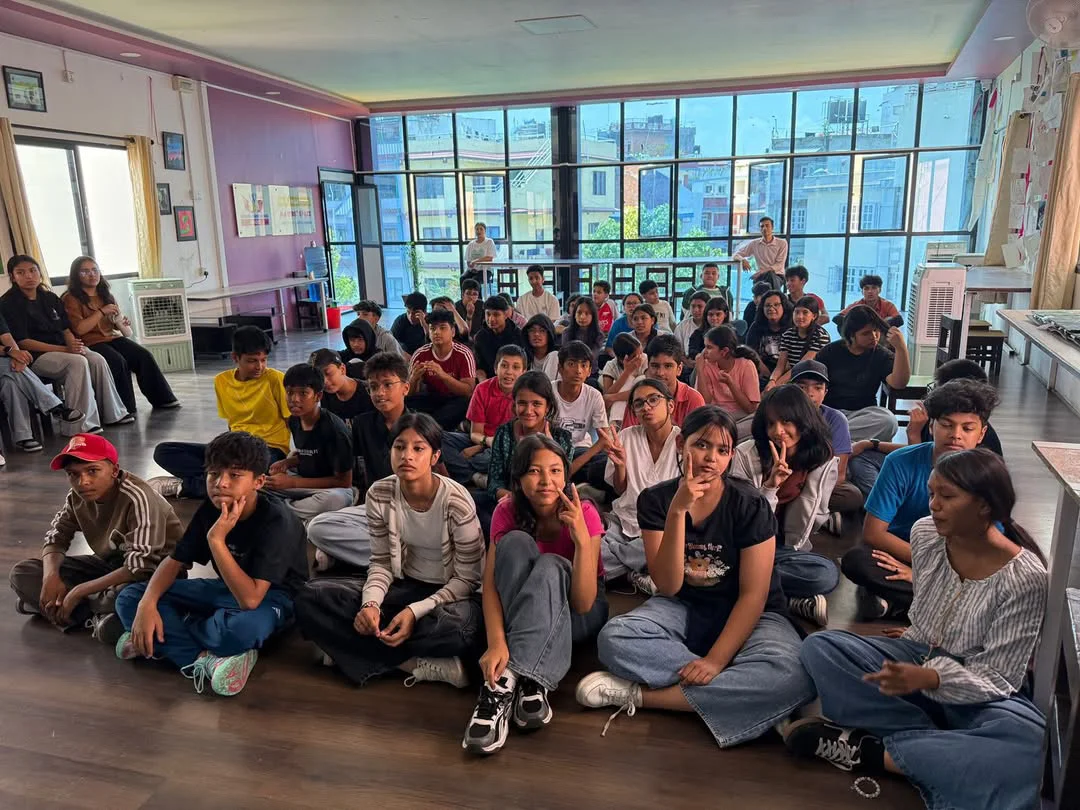
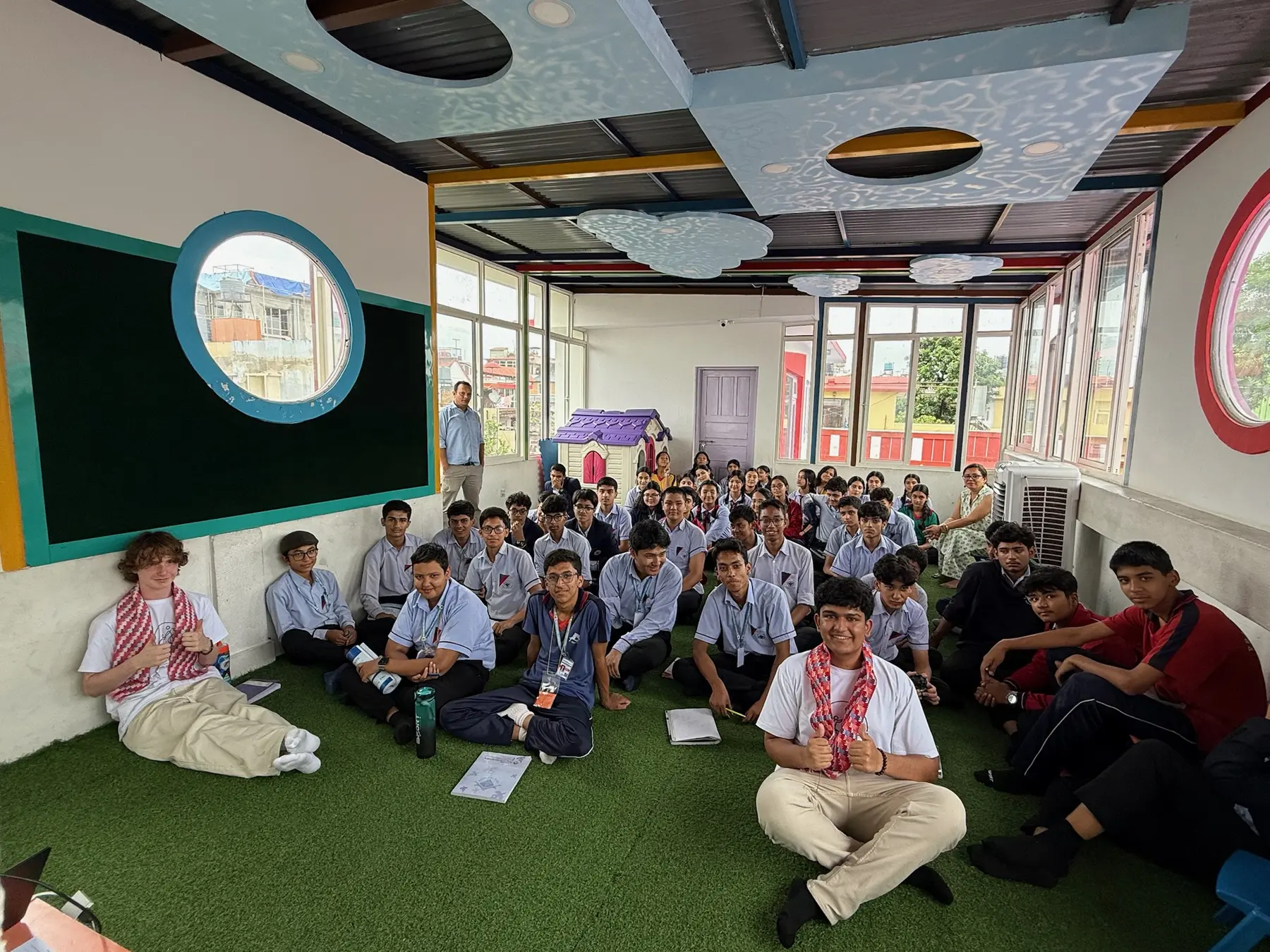
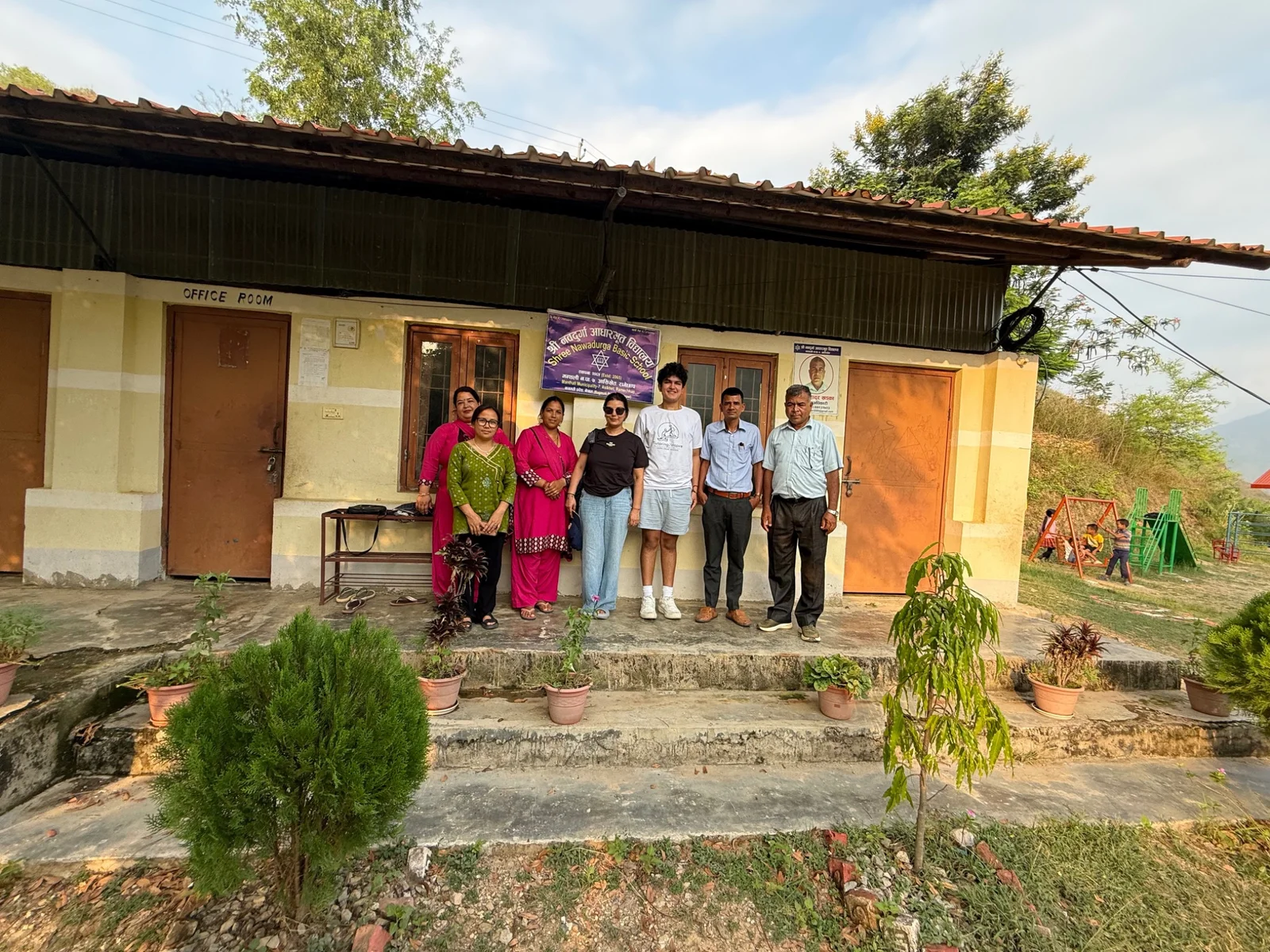
We provide free educational support through partner schools in Nepal. Sessions respond to student needs while remaining connected to the priorities and feedback of local educators.
Many sessions use computers, online tools, and shared digital resources. Digital literacy develops alongside subject learning as students become more comfortable navigating technology for communication, practice, research, and problem-solving. Cultural exchange is also embedded into educational support because direct conversation can strengthen confidence, curiosity, and the relationships that keep students engaged.
Student or educator voice
“Example testimonial goes here.”
Cultural exchange participant
“Example testimonial goes here.”
Cultural Exchange
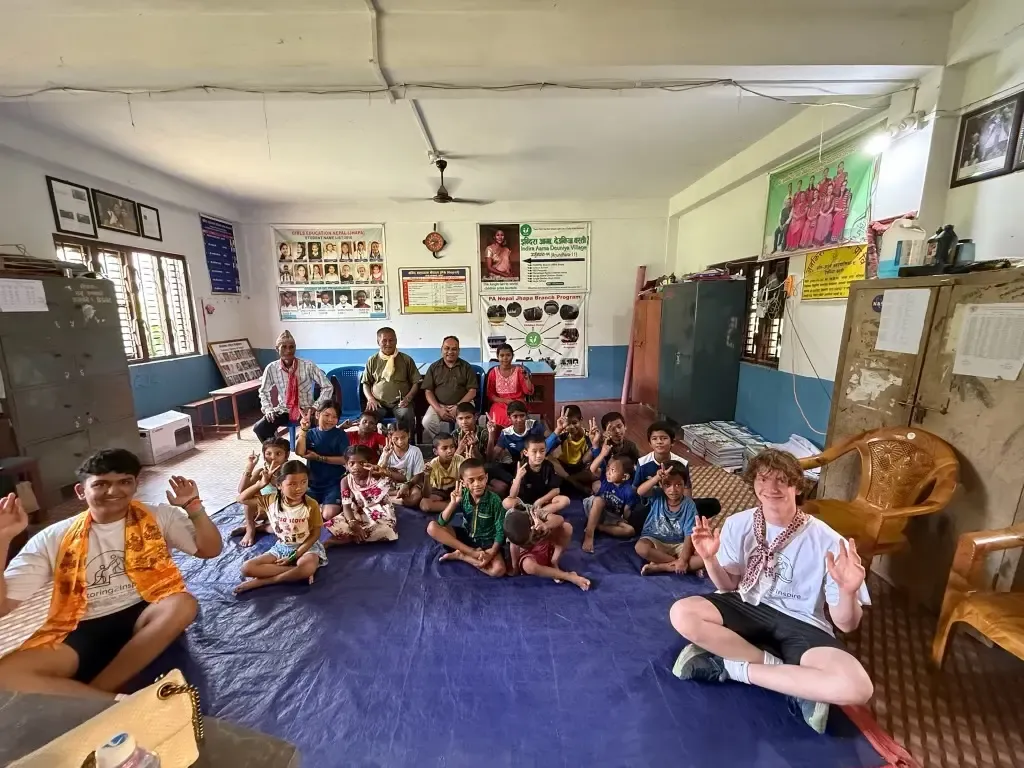
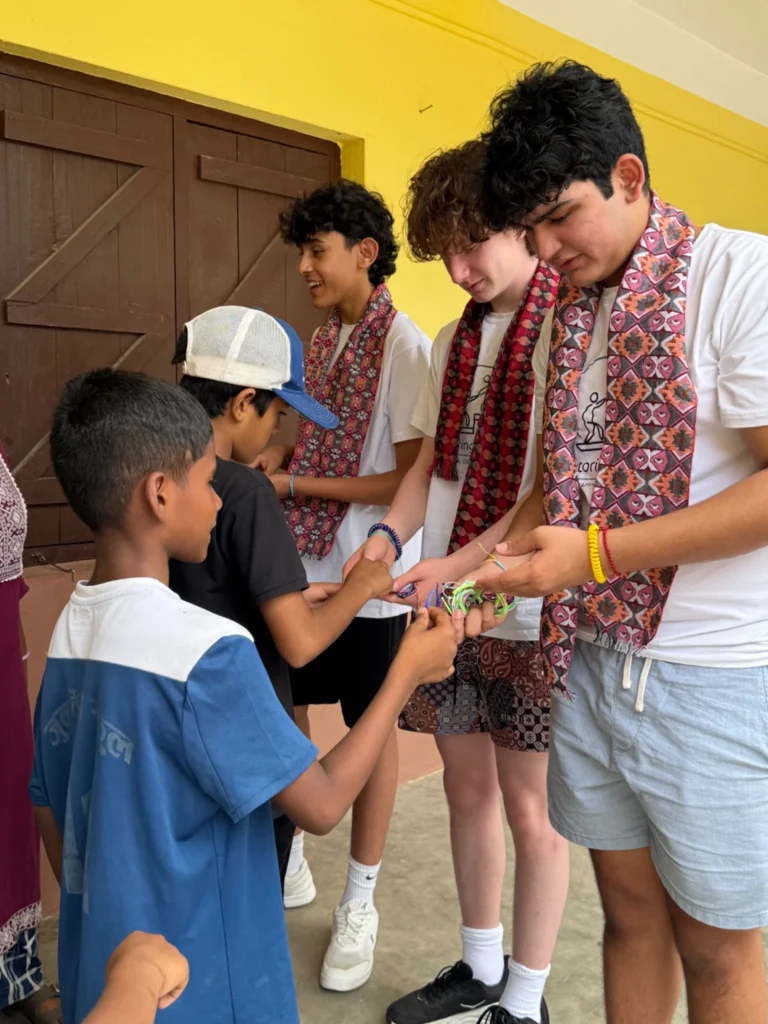
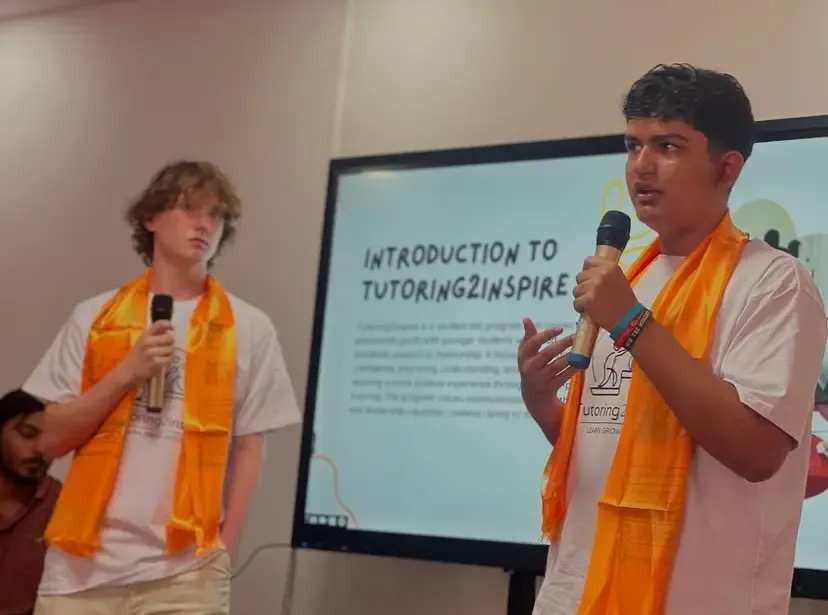
The Tutoring2Inspire Cultural Exchange Model creates meaningful relationships between students in different countries. Direct interaction helps break down barriers, encourage empathy, broaden worldviews, and create friendships across borders.
Sessions are held primarily online each week, with in-person exchange when participants are able to meet in Nepal or the United States. Students connect through shared interests, guided games, open discussion, collaborative activities, and topics they genuinely want to explore.
Jay Panta and Sam Keon believe cultural exchange does not need to resemble a traditional academic lesson to contribute to student growth. Feeling understood, sharing identity, and building confidence can positively shape the way students participate in school. Research has similarly found academic value when students’ identities and experiences are respected.
Summer 2027
Active exchange participants will be able to pursue a selective in-person program in Nepal centered on leadership, service, sustained relationships, and authentic cultural experience.
Educational Research
Most of our research focuses on the practical question behind every program: what helps students learn, participate, connect, and grow?
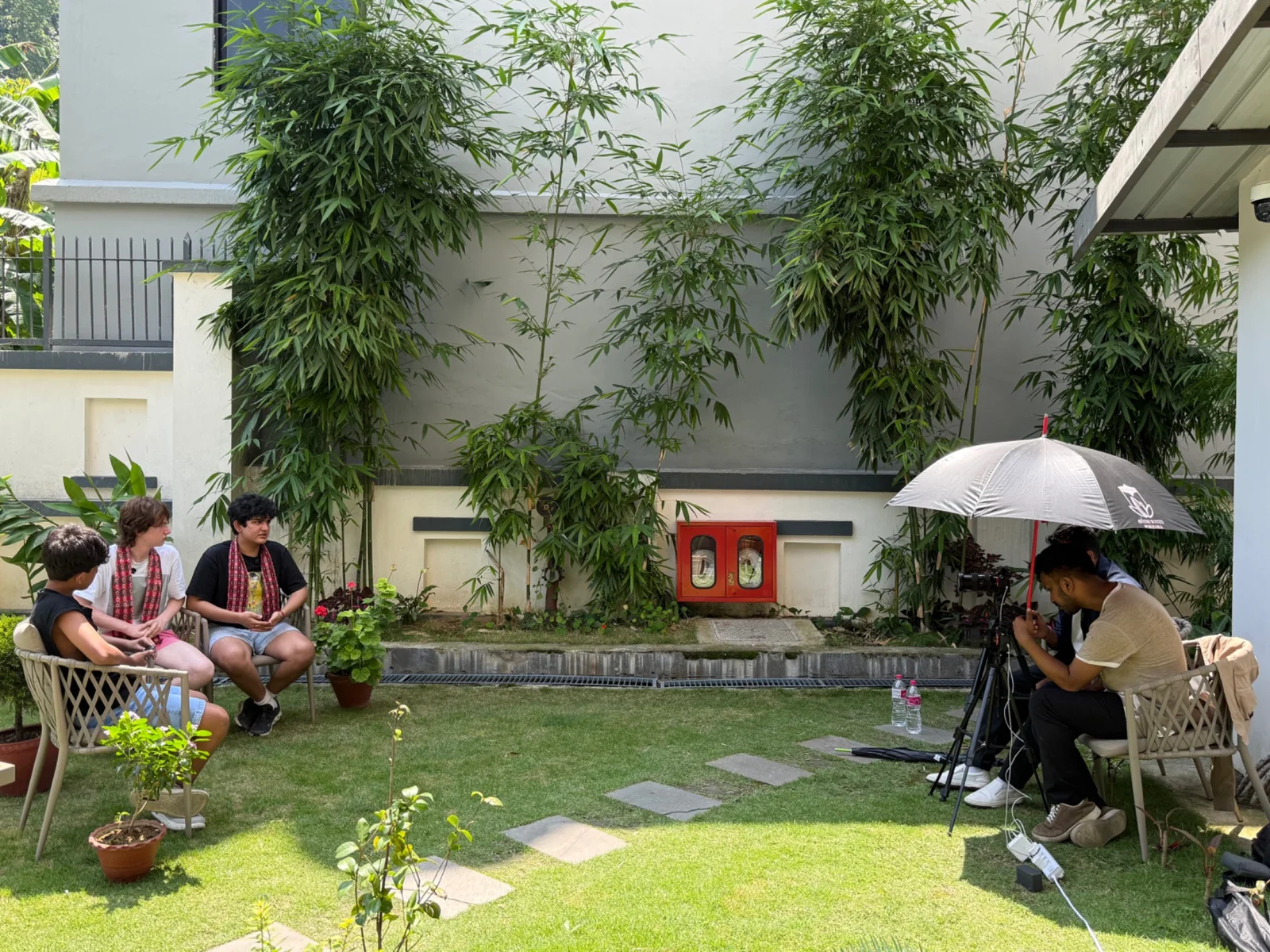
We plan to compare baseline and follow-up assessments, participation patterns, student and educator feedback, digital literacy development, and the educational effects of recurring cultural exchange. Interviews, focus groups, school observations, and data analysis provide context that numbers alone cannot.
Independent research by organization leaders also explores specific educational questions in Nepal. These projects remain secondary to the organization-wide work of evaluating and improving the programs we deliver.
Research collaborator
“Example testimonial goes here.”
School partner
“Example testimonial goes here.”
School Partnerships
Long-term school relationships make programs more relevant, responsible, and durable than independent tutoring disconnected from local educators.
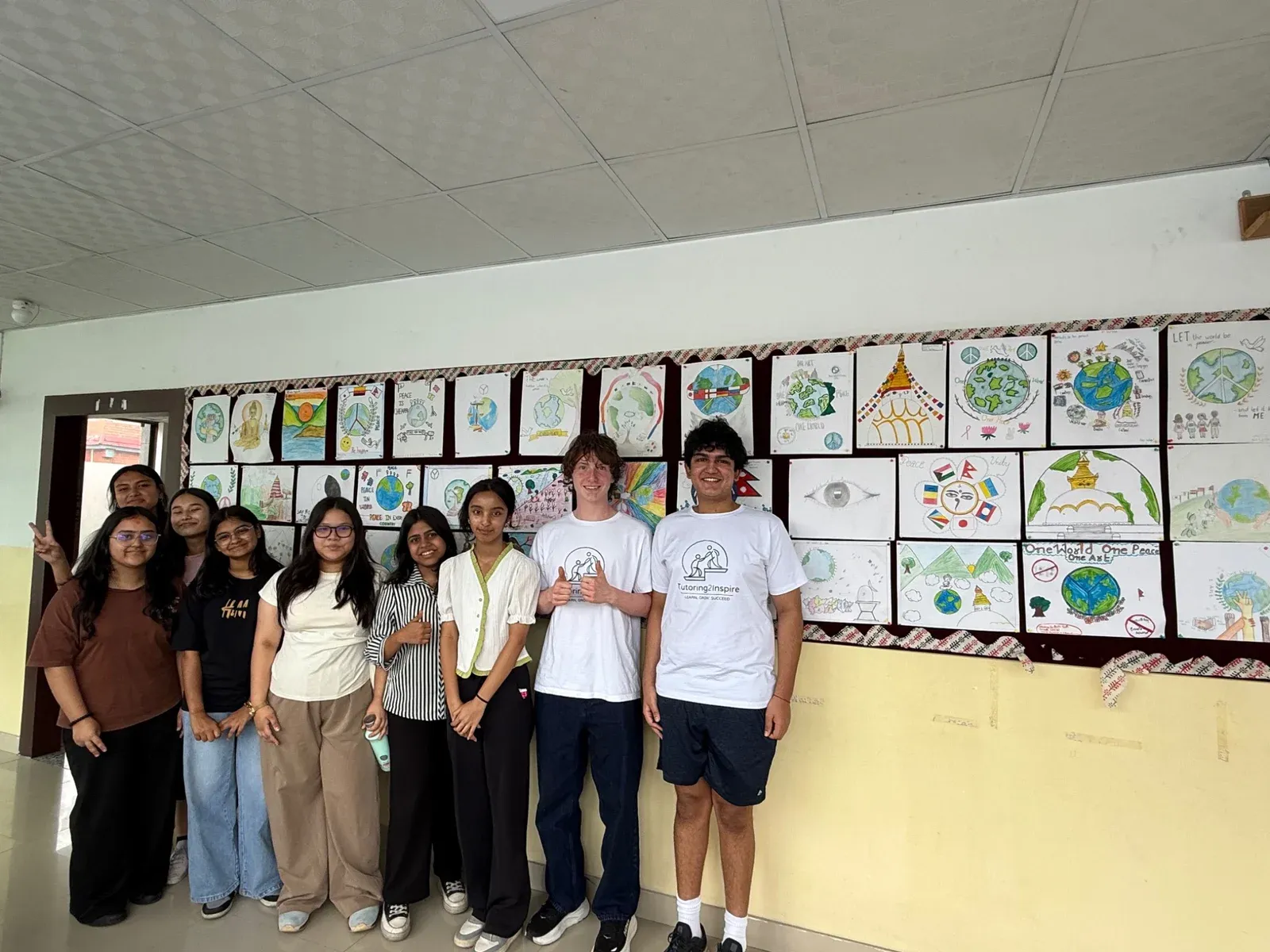
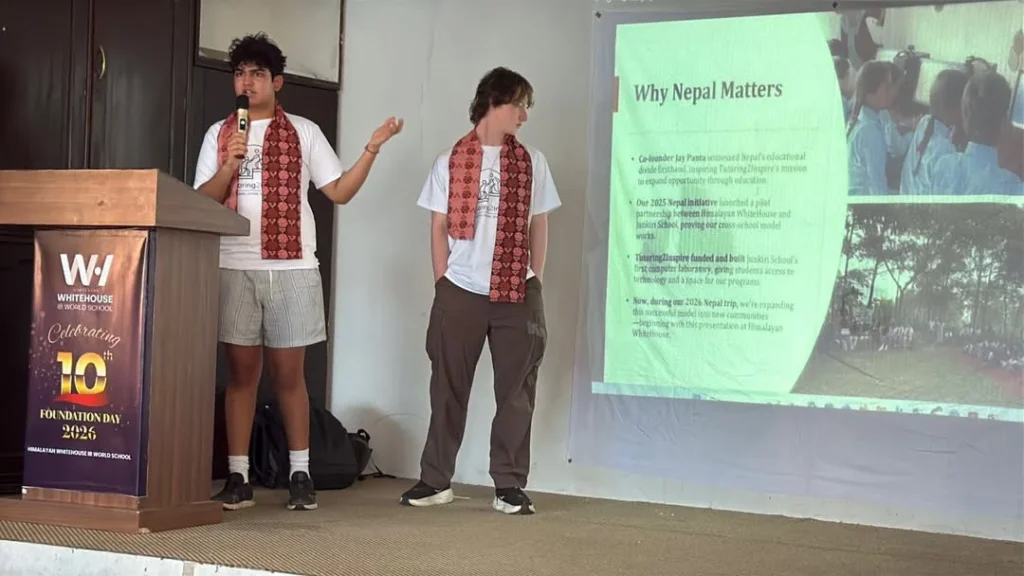
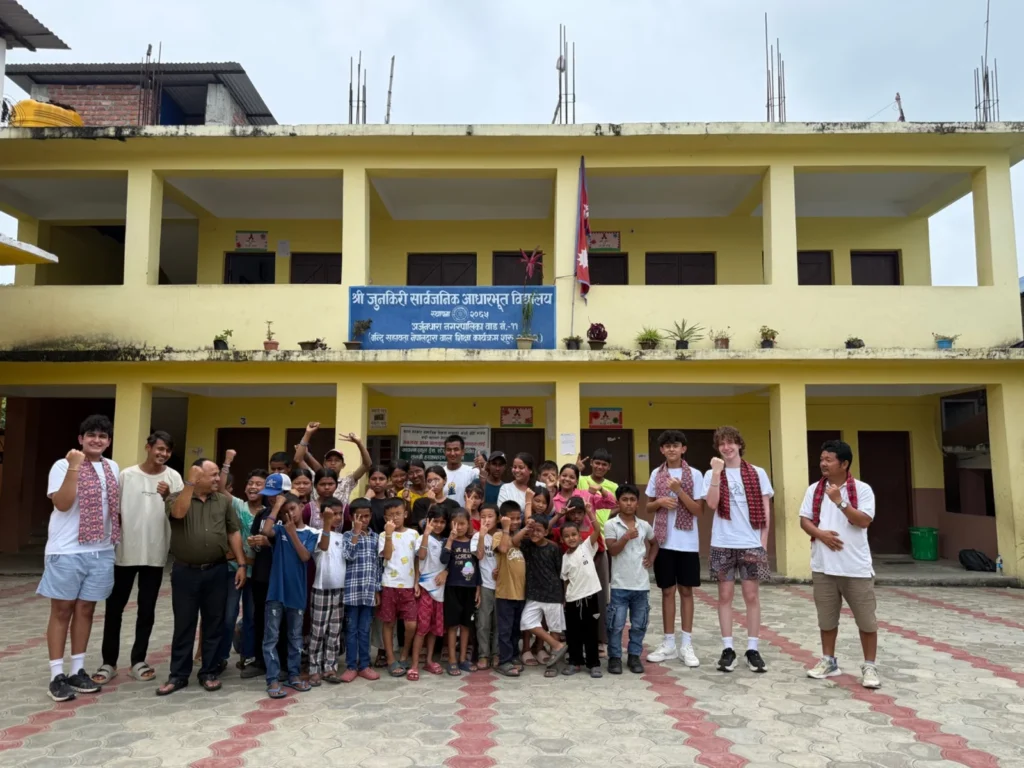
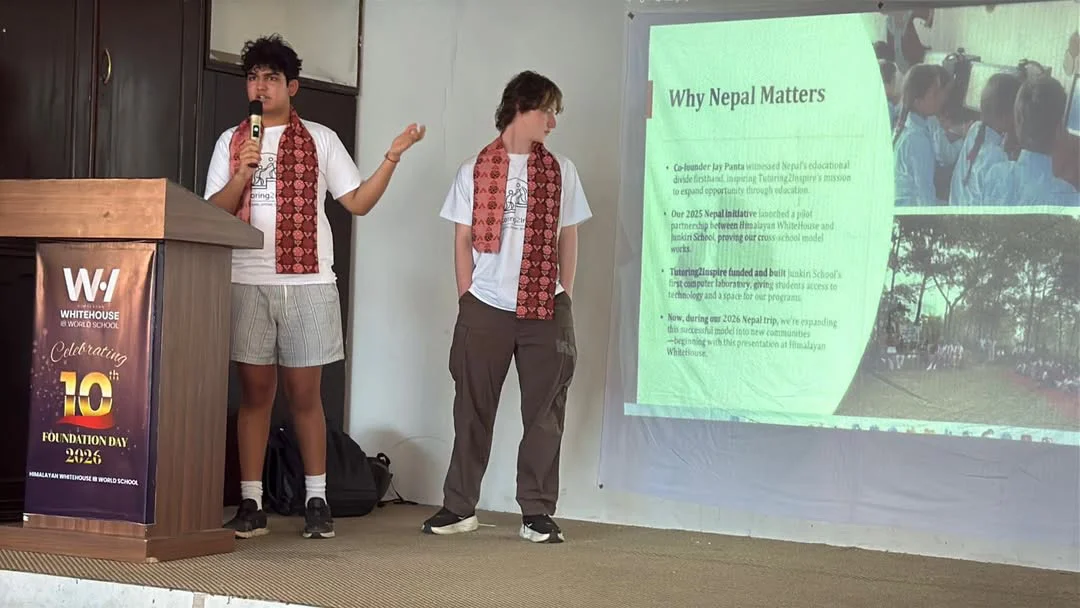
Partnerships can take different forms. Himalayan White House demonstrates a committee model in which students organize and sustain programming within the school. Junkiri School represents a long-term alliance that has produced weekly educational support and cultural exchange, stronger testing outcomes, and a fully functional computer lab funded and built by Tutoring2Inspire.
In every case, schools help identify needs, coordinate students, provide educator feedback, and guide how resources should be used. Tutoring2Inspire contributes student leadership, program design, volunteer support, technology, research, and continued follow-up.
July 2027 goal
Get involved
Review Tutoring2Inspire’s governance structure and a concise overview of the organization’s past, present, and future work.