Learn what works, improve it, and share the reasoning.
Research helps Tutoring2Inspire measure its programs, understand student experience, and make better decisions with school and community partners.
Organization-wide research
Most of the work begins with our own programs.
Tutoring2Inspire’s central research agenda studies the effectiveness of educational support, cultural exchange, digital learning, and long-term school relationships.
Educational methods
Which forms of support improve learning?
Compare subject methods, student participation, tutor preparation, digital tools, baseline assessments, and follow-up outcomes.
Weekly educational support and cultural exchange
Improved testing outcomes
A fully functional computer lab
Ongoing coordination with school leadership
Continued measurement and program adjustment
Cultural exchange
What changes through recurring connection?
Study how weekly interaction affects communication, confidence, global awareness, belonging, school engagement, and willingness to participate.
Student surveys and reflections
Participation and retention patterns
Facilitator observations
Academic confidence and school connection
Partnership sustainability
What makes a relationship last?
Examine whether school-led coordination, local decision-making, recurring contact, and shared measurement produce stronger and more durable programs.
School priority alignment
Local leadership and committees
Resource use and follow-up
Long-term program continuity
Methods
Numbers explain change. People explain why.
Our approach combines quantitative and qualitative evidence so that impact is not reduced to one score or one story.
01
Baseline and follow-up assessment
Compare learning and participation over time.
02
Interviews and focus groups
Listen to students, educators, families, and community leaders.
03
School and program observation
Understand context, interaction, and implementation.
04
Program and participation data
Review attendance, continuity, activities, resources, and reach.
Independent research
Focused questions led by the co-founders.
These individual projects remain smaller than the organization-wide work of measuring and improving Tutoring2Inspire’s programs.
Jay Panta · Chief Executive Officer
Educational experiences of Dalit and Majhi students
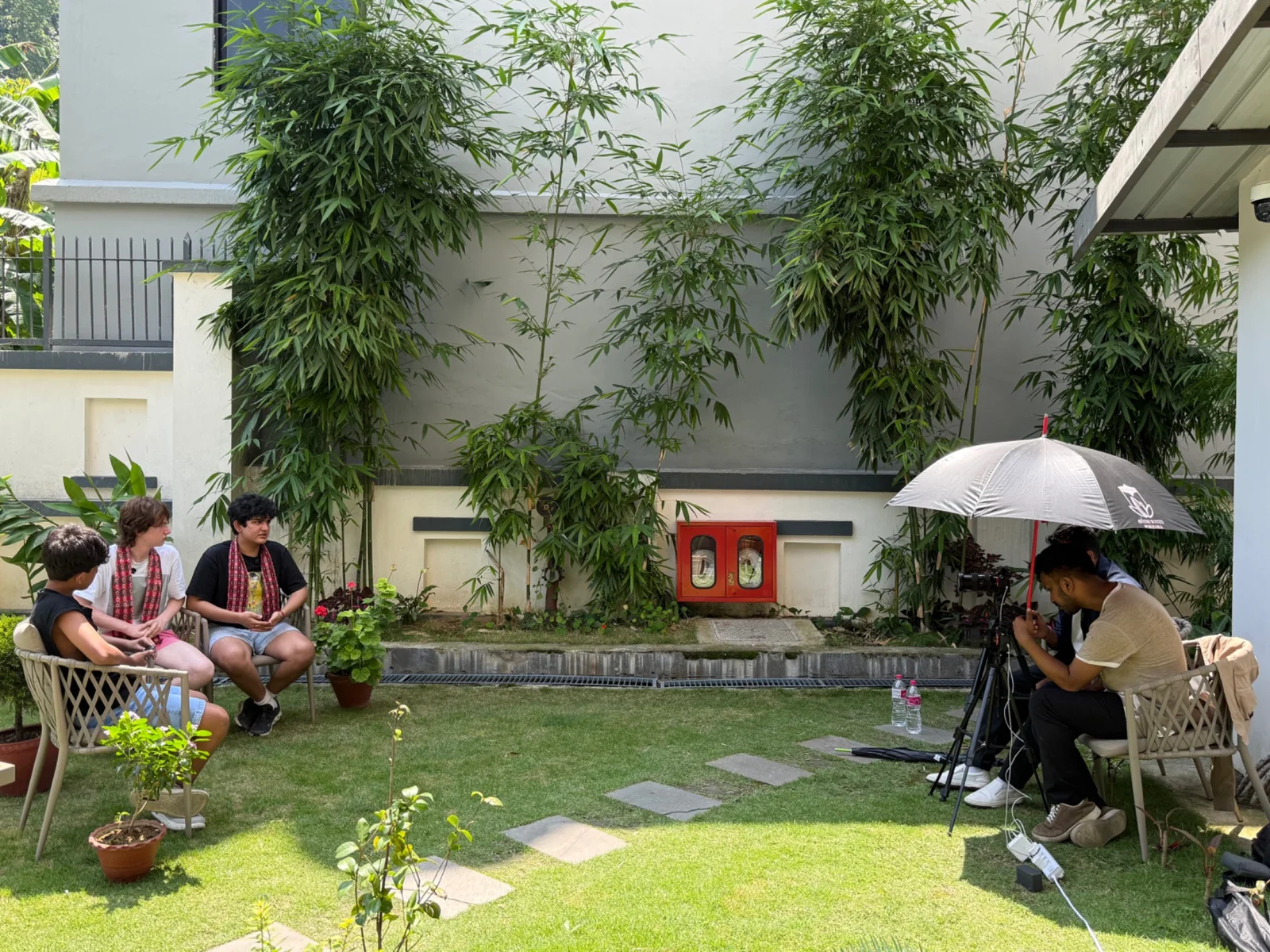
Jay is conducting an independent qualitative study in rural Nepal comparing the educational experiences of Dalit and Majhi students. Interviews, focus groups, school observations, and data analysis explore the social and economic conditions that contribute to educational disparities and possible ways to improve opportunity for marginalized communities.
Sam Keon · Executive Director
Independent research initiative
Sam Keon’s independent research scope goes here...
Research question, methods, location, and current status go here once confirmed.
Reports and publications
Make the learning accessible.
Research summaries, methods, findings, and reports will appear here as they are completed and approved.
Program evaluation
First impact report goes here...
Field research
Research summary goes here...
Data and methods
Methodology document goes here...
Get involved
Contribute to the learning.
Researchers, educators, universities, and partner organizations can help review methods, share knowledge, or collaborate on future work.